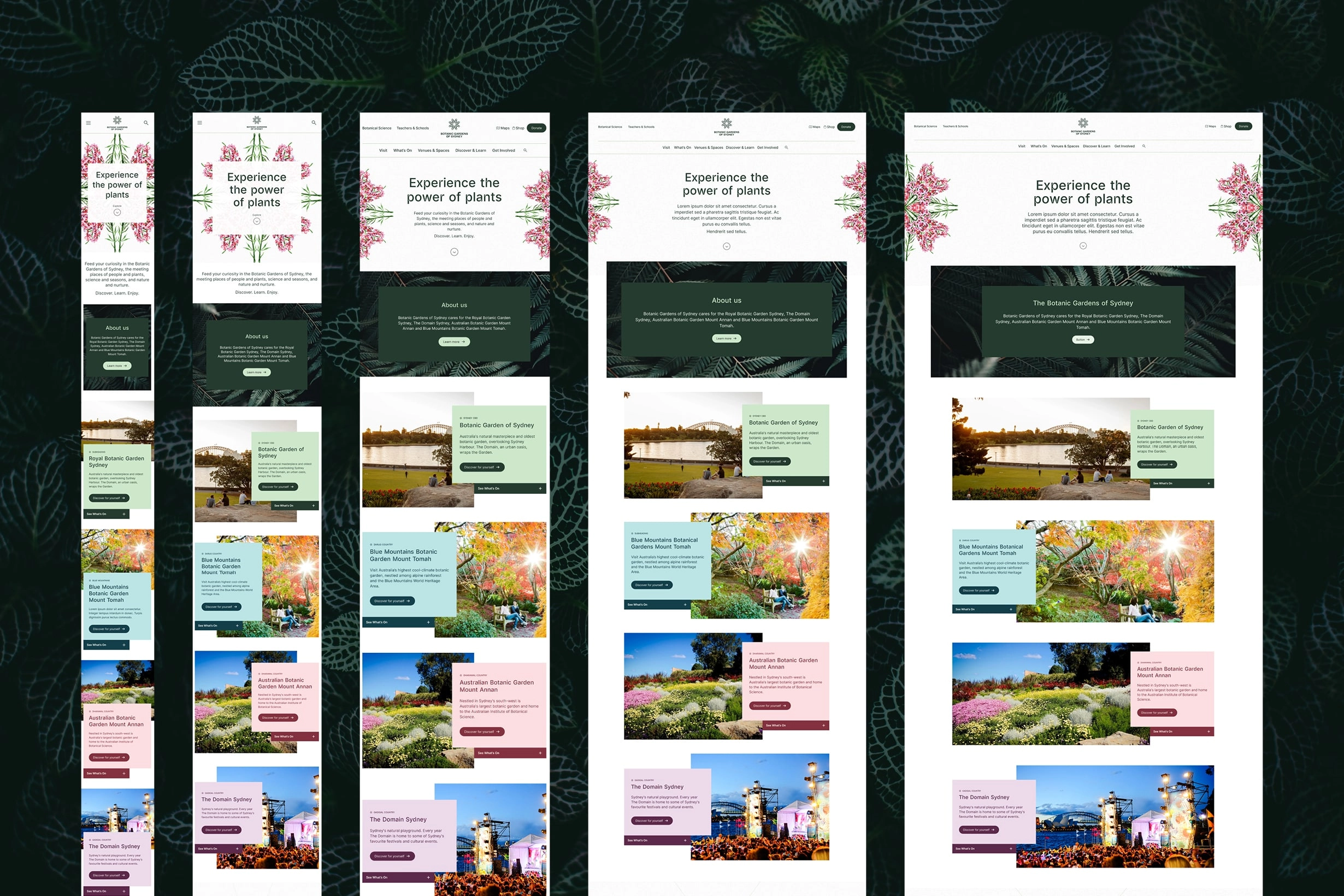
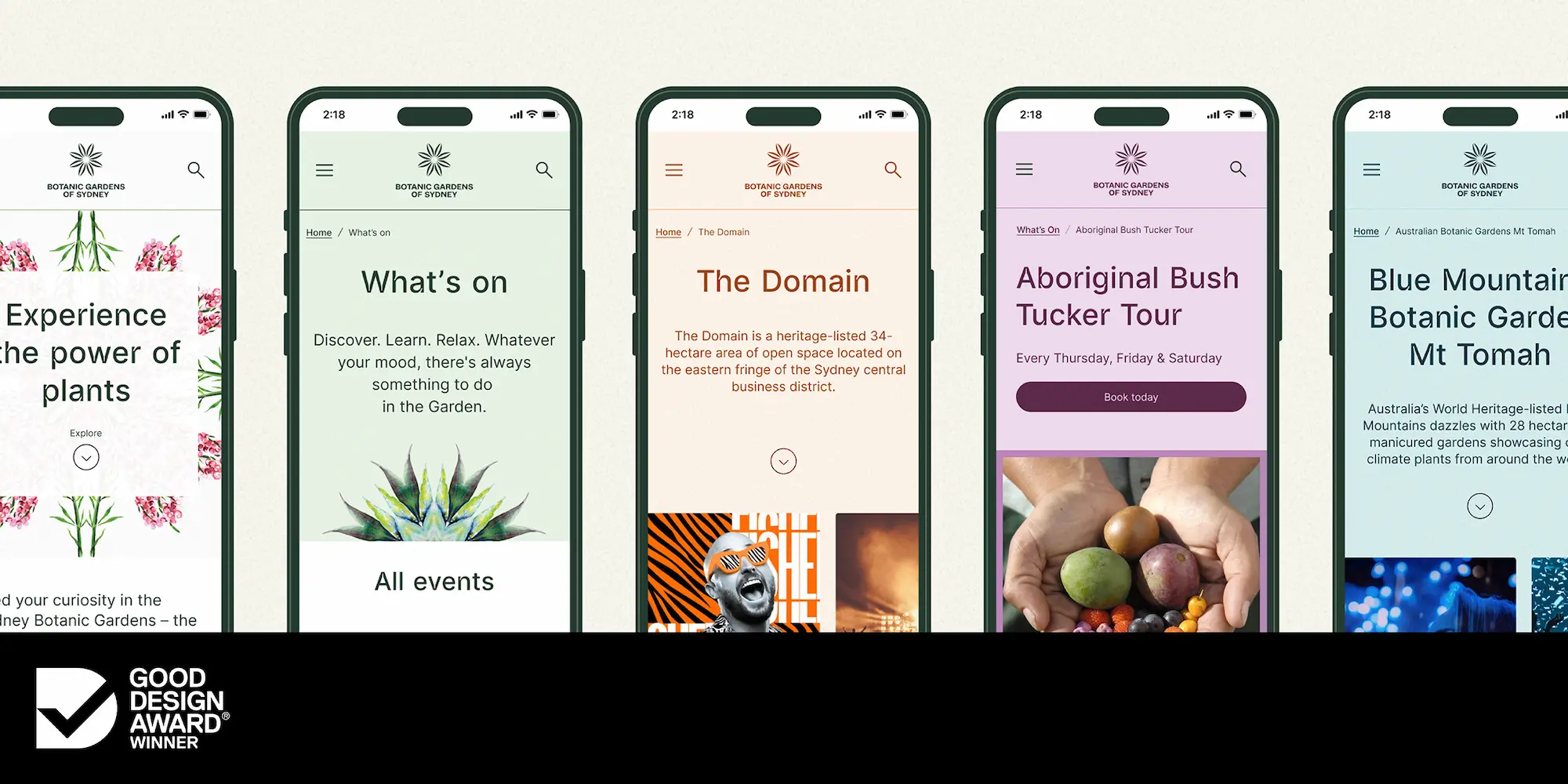
Five mobile screens showing different Botanic Gardens of Sydney webpages, including home, What’s On, The Domain, Aboriginal Bush Tucker Tour, and Blue Mountains Botanic Garden pages.

Botanic Gardens of Sydney

Experience the power of plants through digital design

Impact area

Sustainable futures

Services

Content strategy

User Experience

User Testing

User Interface

Interface detailing

Overview

As one of Australia’s oldest scientific institutions, the Botanic Gardens of Sydney (BGS) holds a special place in the history of NSW. Made up of three gardens and one open public space, including the Royal Botanic Gardens in Sydney, it covers over 508 hectares of manicured gardens showcasing a plethora of plants from across Australia and around the world.

With millions of visitors to the gardens each year, and hundreds of millions of dollars contributed to the Australian economy, the Botanic Gardens of Sydney deserves a website that reflects its significance.

Four icons, one website

Folk was engaged to transform the digital presence of the gardens and consolidate three garden websites and one campaign microsite into a single engaging site that would promote the best of the gardens.

Working with the Botanic Gardens of Sydney team, we designed a website experience that showcases the power of plants, is fit for purpose in attracting visitors to the gardens and sharing knowledge, and supports more efficient processes and practices for staff.
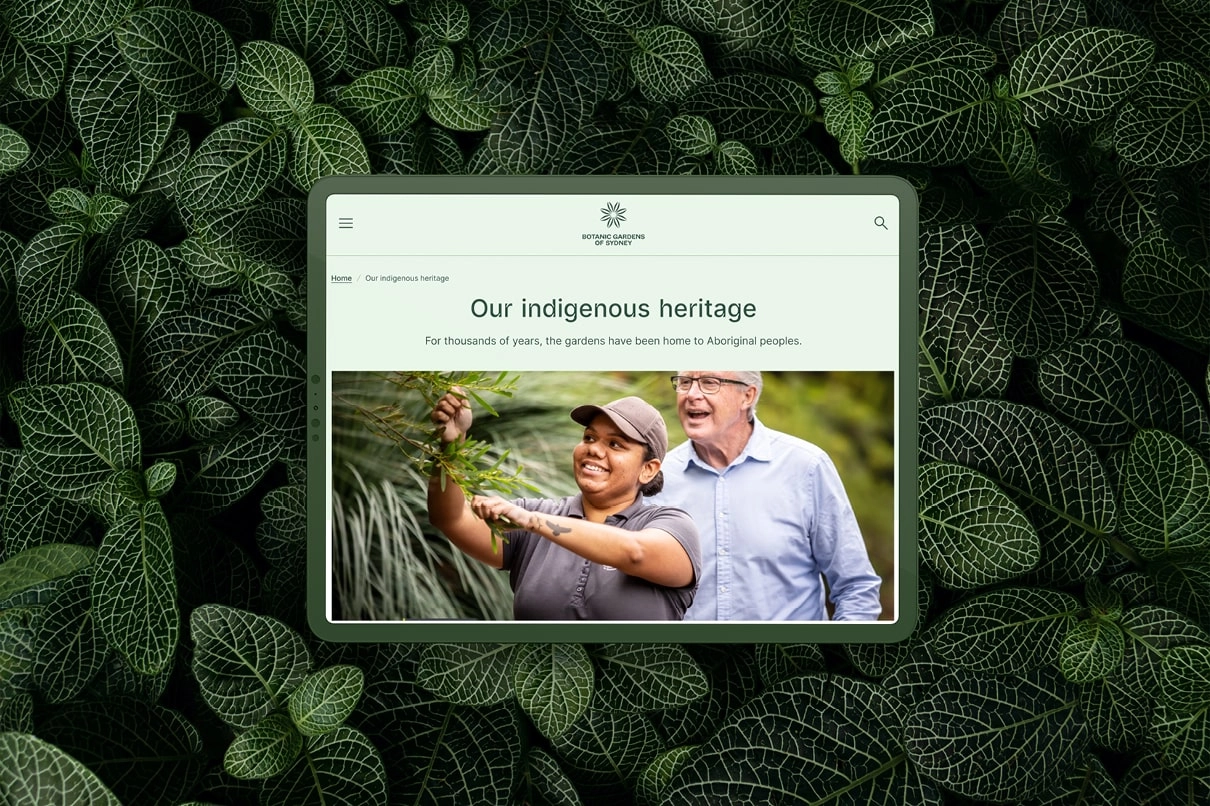
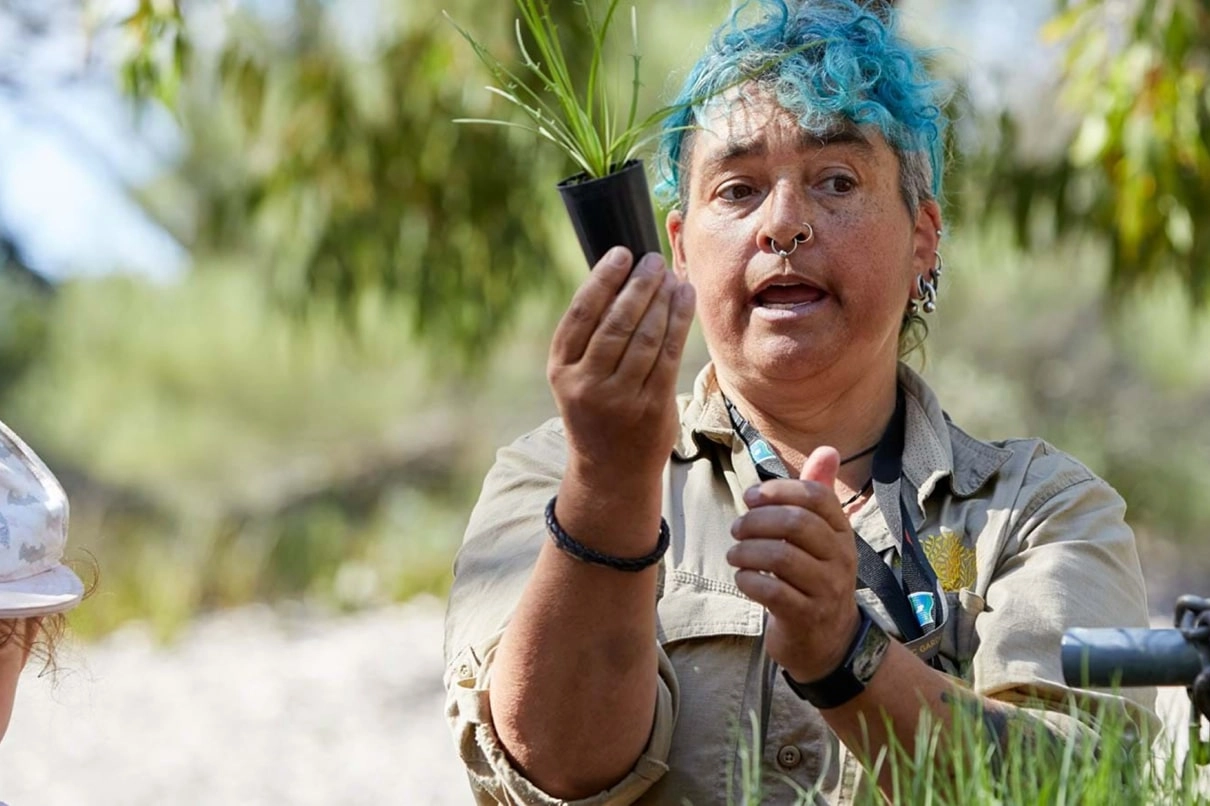
Tablet displaying the ‘Our Indigenous heritage’ webpage over a background of green patterned leaves.Garden educator holding a small native plant while explaining to a group outdoors.
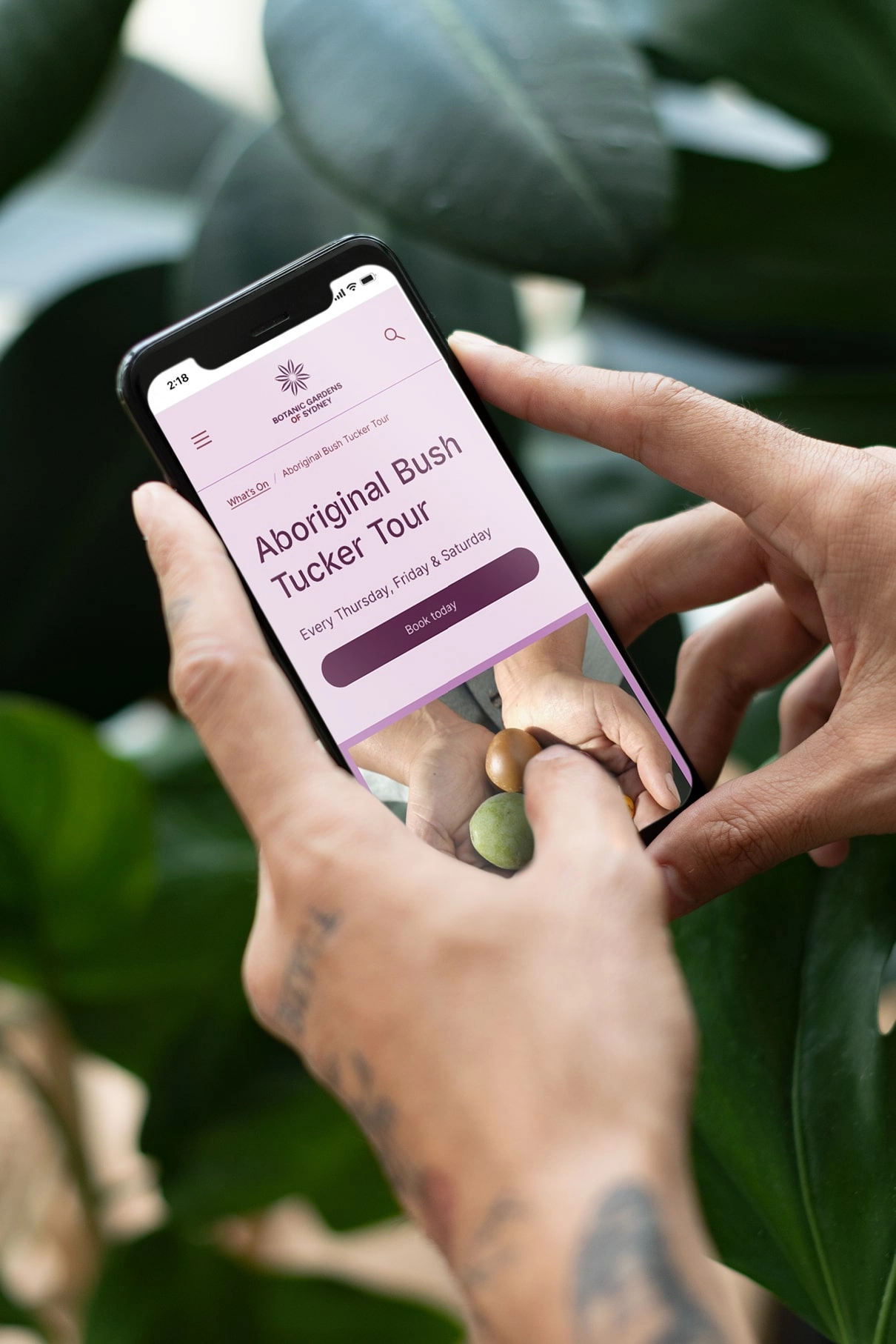
Person using a phone to view the Aboriginal Bush Tucker Tour booking page.

The visual identity

Utilising a newly developed brand identity, we were able to build on the narrative of the gardens being a meeting place for people to learn, grow and explore.

The brand, developed by SWELL and strategy led by Destination Marketing Store, included a distinctive set of floral kaleidoscopes adapted from those held in the Florilegium Society botanical paintings collection, and a custom typeface, Garden Inktrap, which together work towards creating a unique, dynamic, and modern visual identity.

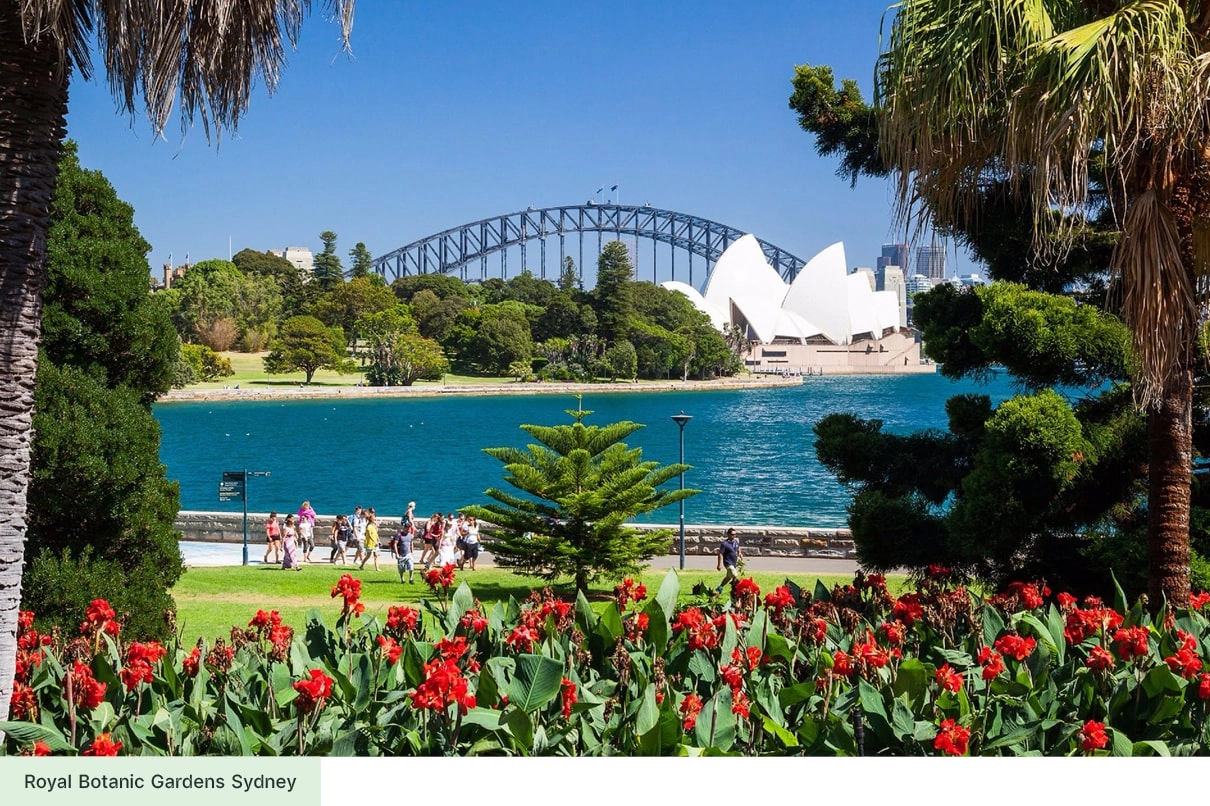
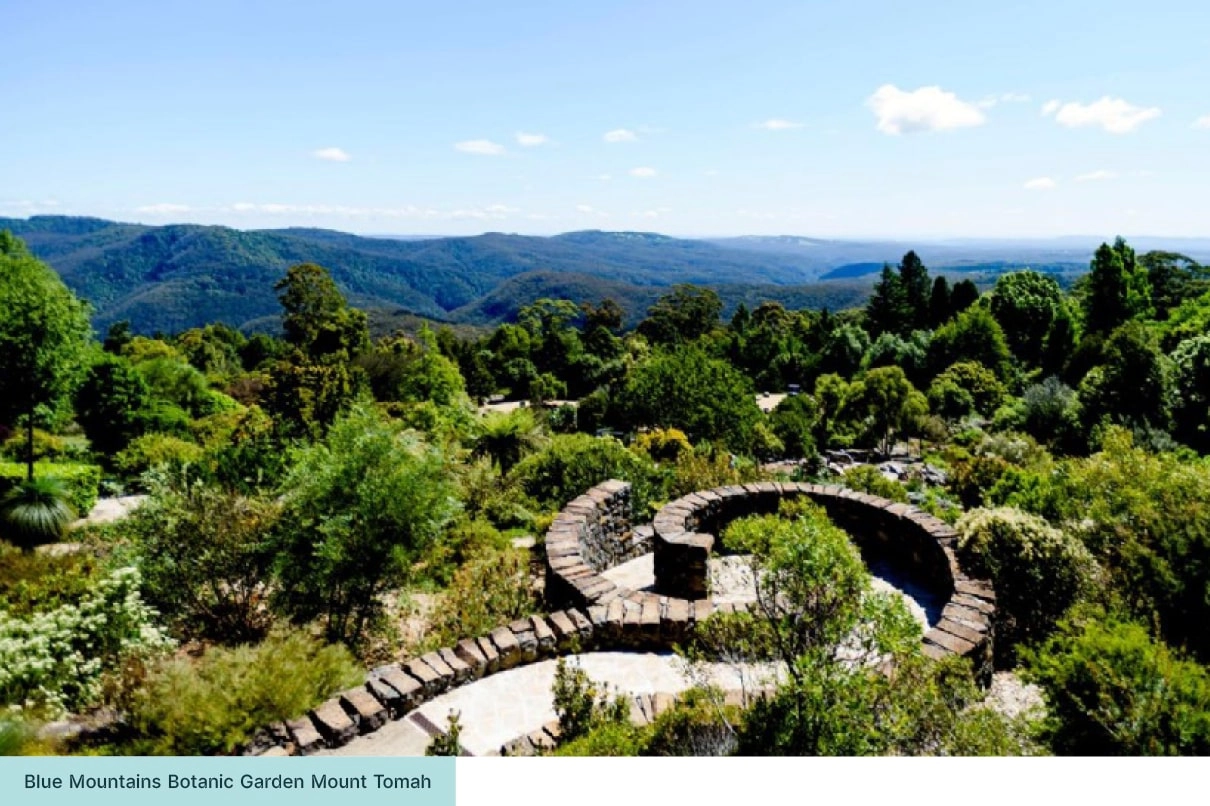
View of Sydney Harbour Bridge and Opera House from the Royal Botanic Gardens with red flowers in the foreground.Landscape view of the Blue Mountains Botanic Garden at Mount Tomah, showing winding stone paths and mountain ranges.
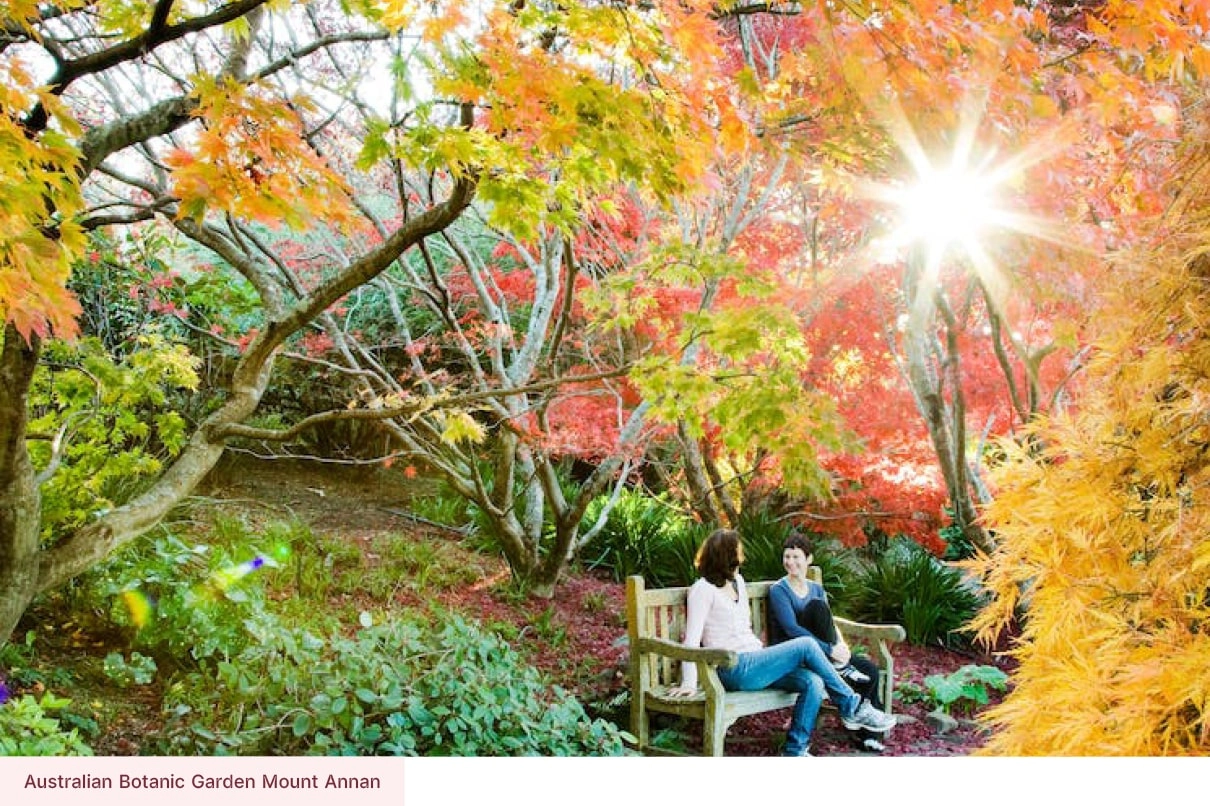
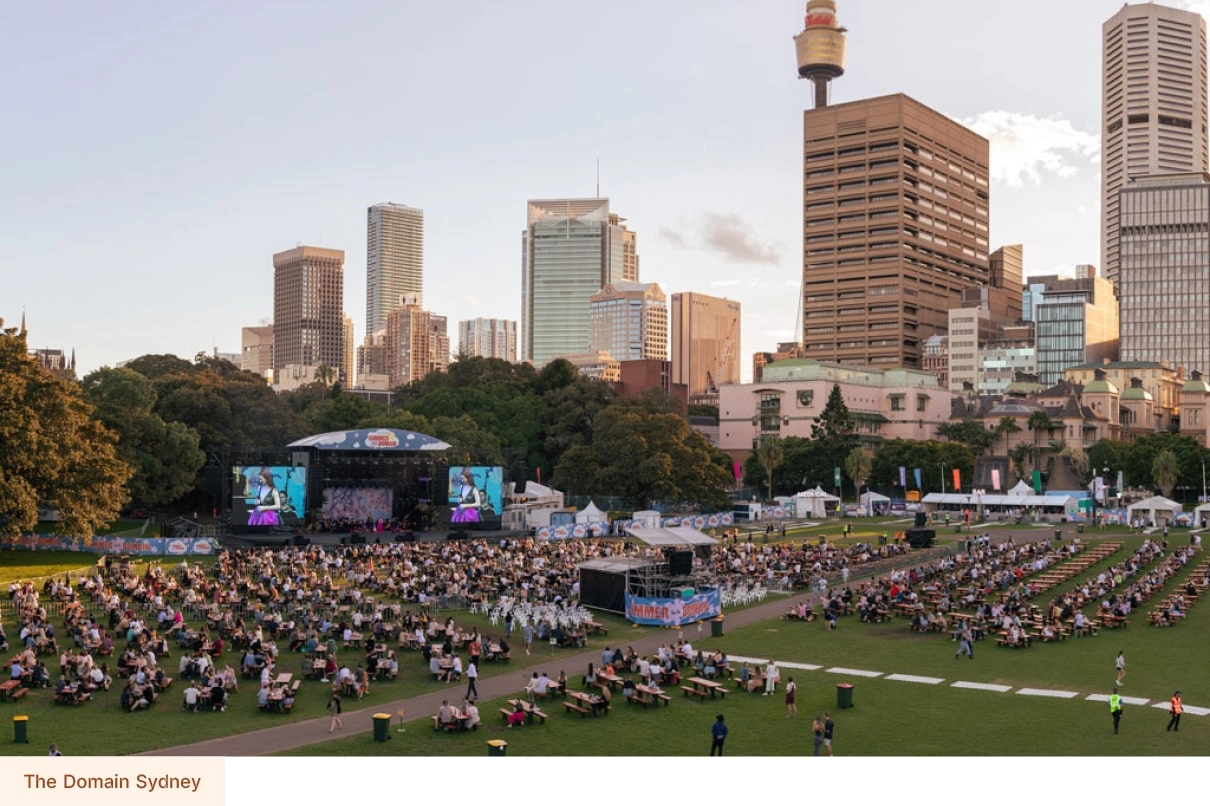
Two people sitting on a bench under vibrant autumn trees at the Australian Botanic Garden Mount Annan.Large outdoor event at The Domain in Sydney, with crowds seated on the lawn and city buildings in the background.

An explosion of colour

When your business is gardens, you get to play with lots of colour. We used the forever changing colours you see throughout the gardens, as the seasons pass, and the flora and fauna matures. It’s a constant evolution that was essential to replicate in the digital space.

We used the bright and expressive colour palette from the visual identity to its full effect.

The website has been built so that content editors can easily select a huge variety of colours that can match or contrast with the real gardens, helping to maintain the individual personalities of each of the four gardens.

A content strategy as digital fertiliser

Like a garden, a website is a complex ecosystem that needs to be maintained and cared for, but the user doesn’t need to see that. They need to get to content that solves their problems and is beautiful, as quickly as possible.

A significant driver for this piece of work was the consolidation of the three previously separate garden websites into a single, unified web experience.

The previous, individual sites had created significant duplication of content and inhibited cross-promotion or natural navigation across the different garden locations.

Our content strategy aimed to encourage people to explore and learn, by creating a site structure that grouped the content for each garden under sections that spoke to user needs and wants.

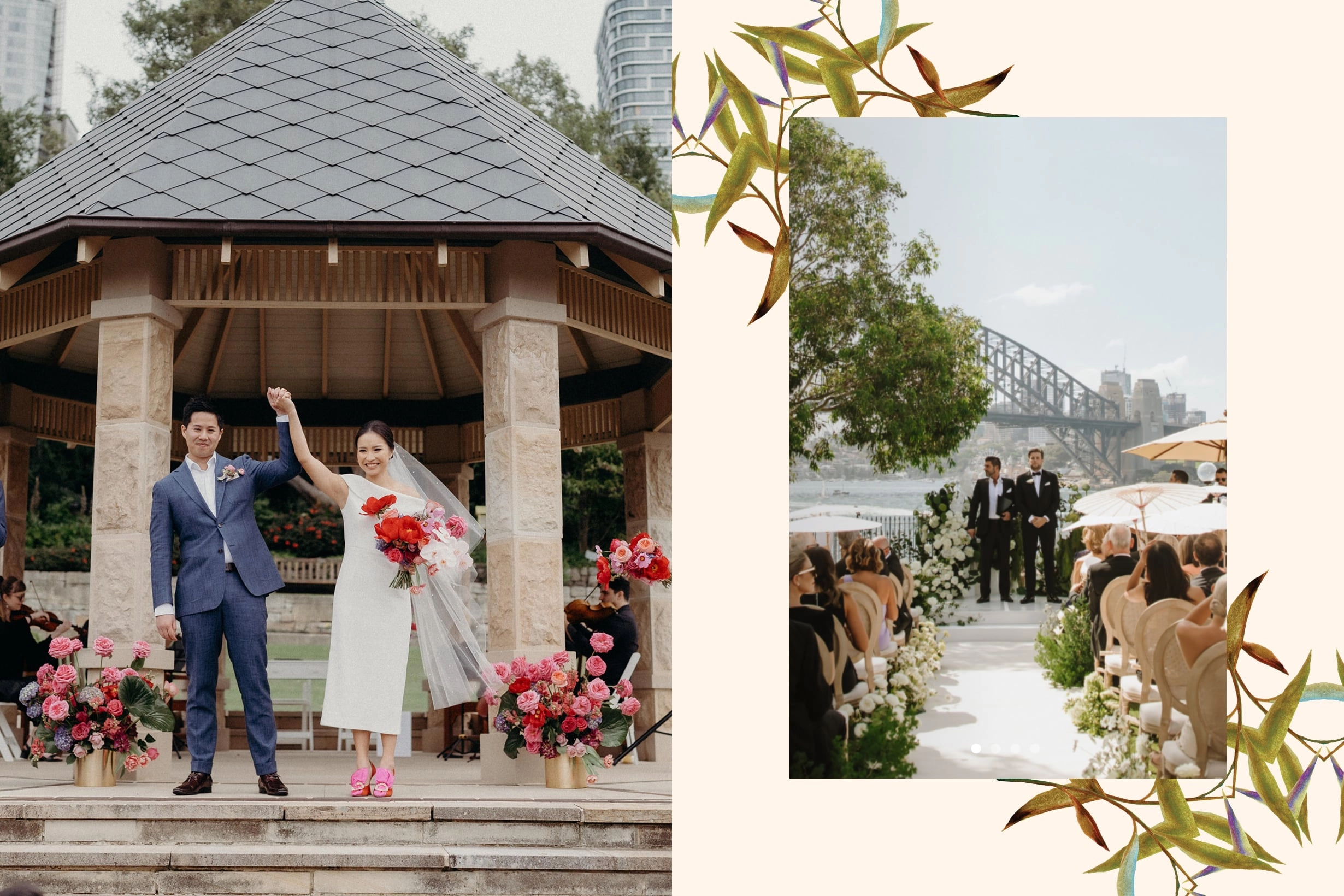
Two wedding scenes: a couple celebrating under a stone gazebo surrounded by bright floral arrangements, and an outdoor ceremony overlooking Sydney Harbour with a celebrant and groom standing at the altar.

The information architecture uses shared topics such as ‘Venues & Spaces’ or ‘Discover & Learn’ to house content for all locations, inviting a user to enter a section of the site that speaks to their immediate needs, and greets them with a rich depth of content across all of the Botanic Gardens of Sydney spaces, rather than seeing content only specific to one.

By flipping the content model and simplifying entry points to information, we encourage users to explore and learn about everything the Botanic Gardens of Sydney offers through content cross-navigation.

Best practice design for an inclusive experience

The design of the website needed to showcase the new visual identity whilst meeting the highest standards of inclusive design, accessibility and UI/UX best practices.

We used the NSW Digital Design system as the foundation of the design, allowing us to utilise the accessible and inclusive components and patterns, built upon to reflect the expressive visual identity of the gardens.

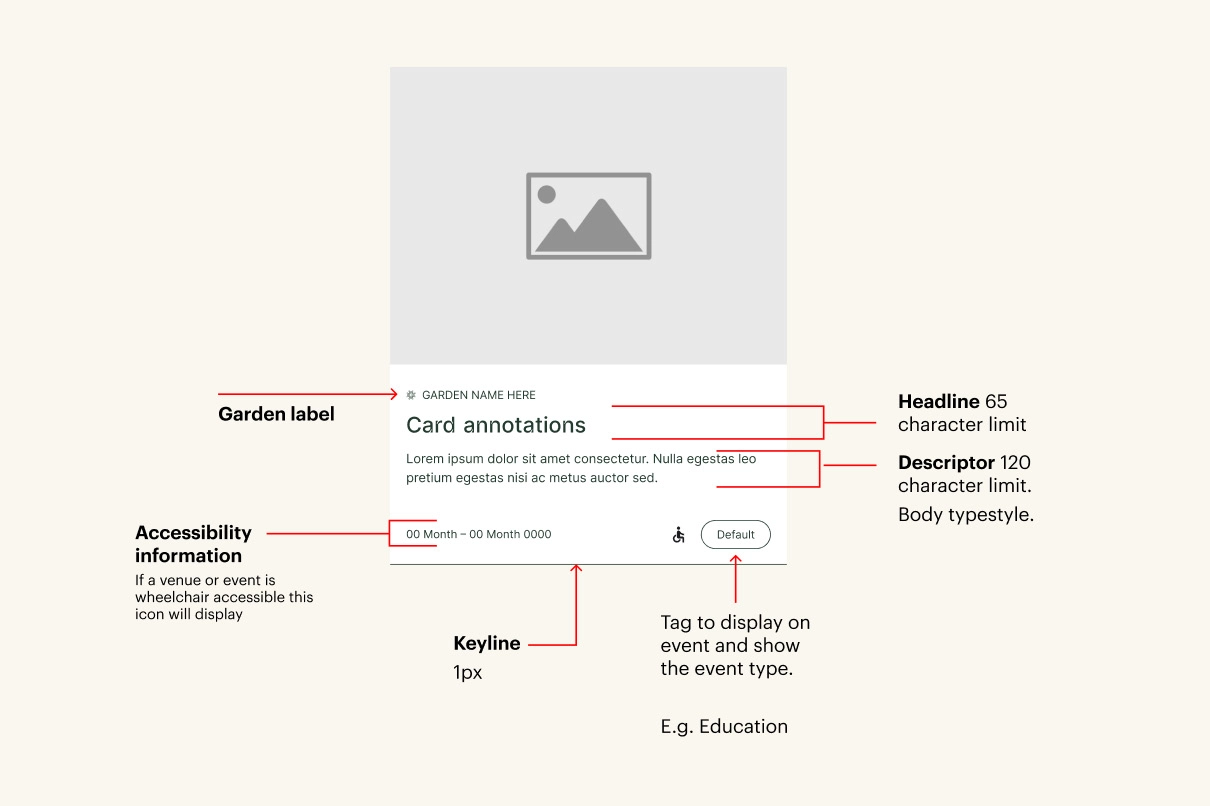
Annotated wireframe of an event card layout, showing label placement, headline limits, accessibility icon location, and event tag styling.
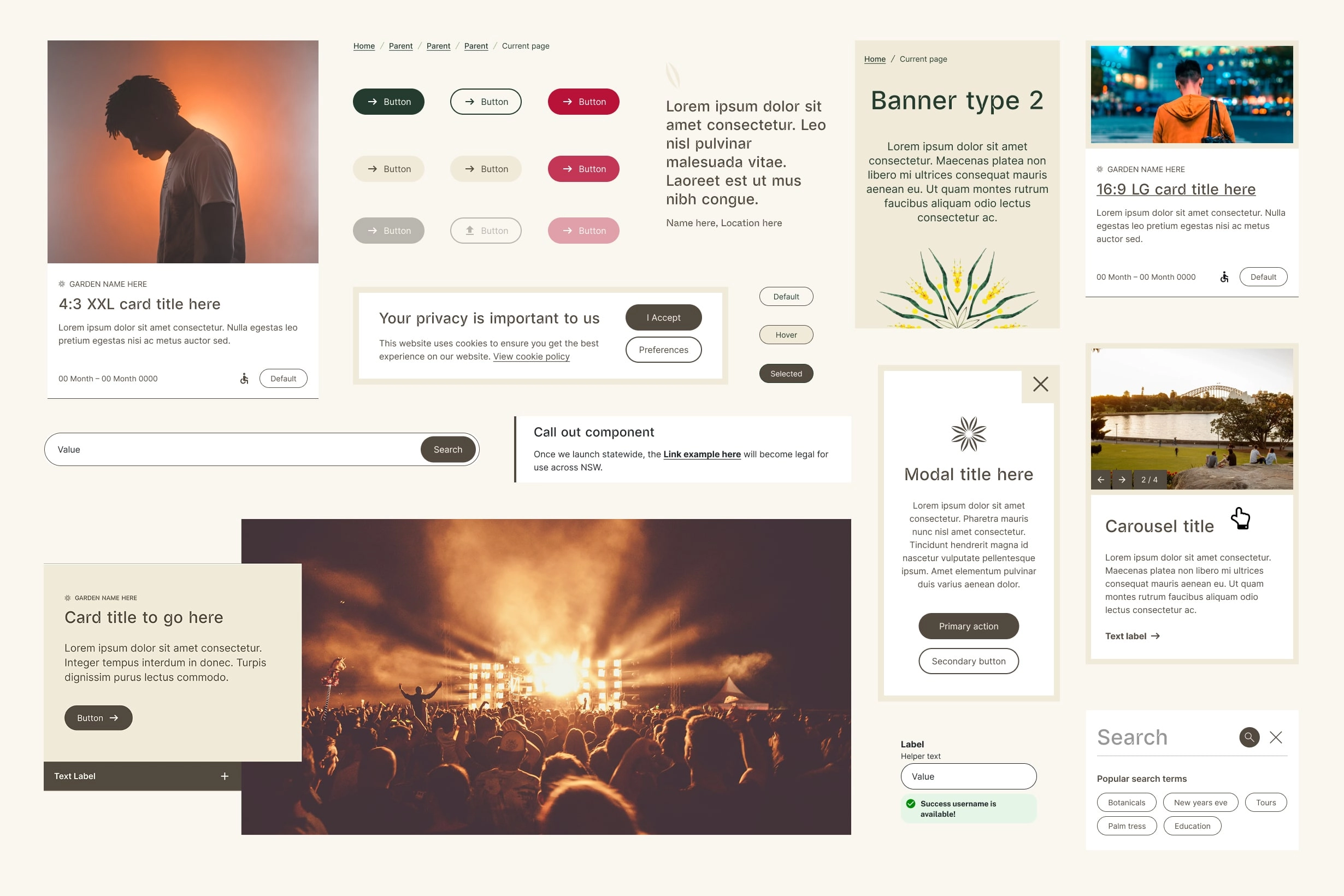
Collection of Botanic Gardens UI components including buttons, banners, cards, modals, search bars, and a call-out component.

This project received a prestigious Australian Good Design Award Winner accolade in 2024, in the Digital Design category for exceptional design and innovation.

The Jury praised Botanic Gardens of Sydney - Website Redevelopment commenting:


This redesigned digital presence for the Botanic Gardens of Sydney successfully consolidates multiple websites into a single, immersive experience. The Jury was impressed by its vibrant color palette, rich imagery, and engaging discovery features. The site offers a compelling representation of the Gardens’ botanical splendor, enhancing visitor engagement and exploration.