I recently had the pleasure of being a mentor over a six week AGDA Mentorship Program.
My mentee is a bright and talented graphic designer, Kepha. Kepha sought guidance on how to navigate the complex world of design. Embarking on a career in a world of possible directions.
Social muddier
Let’s face it, it doesn’t matter how long you’ve been in your practice, sometimes you just feel stuck.
Social media platforms like Instagram and LinkedIn can flood us with design and career inspo that leaves us feeling even more weighed down. We compare ourselves to a world-of-others, feel like everyone around us is succeeding, moving forward, while we lag behind.
So, sometimes we need someone to be a sounding board, to relate to our struggles and help us out of the ruminative rut.
If I could give even 1% of motivation, direction, perspective, I have done my job as a mentor.
While I was there to mentor Kepha, I found myself reflecting on some of the advice I’ve received over the years. It was a timely reminder that so much of it still rings true. So, here’s the top three tenets that surfaced as we talked.
The Pareto Principle
For those who are unfamiliar, this is also called the 80/20 rule. The Pareto Principle states that roughly 80% of results come from 20% of inputs.
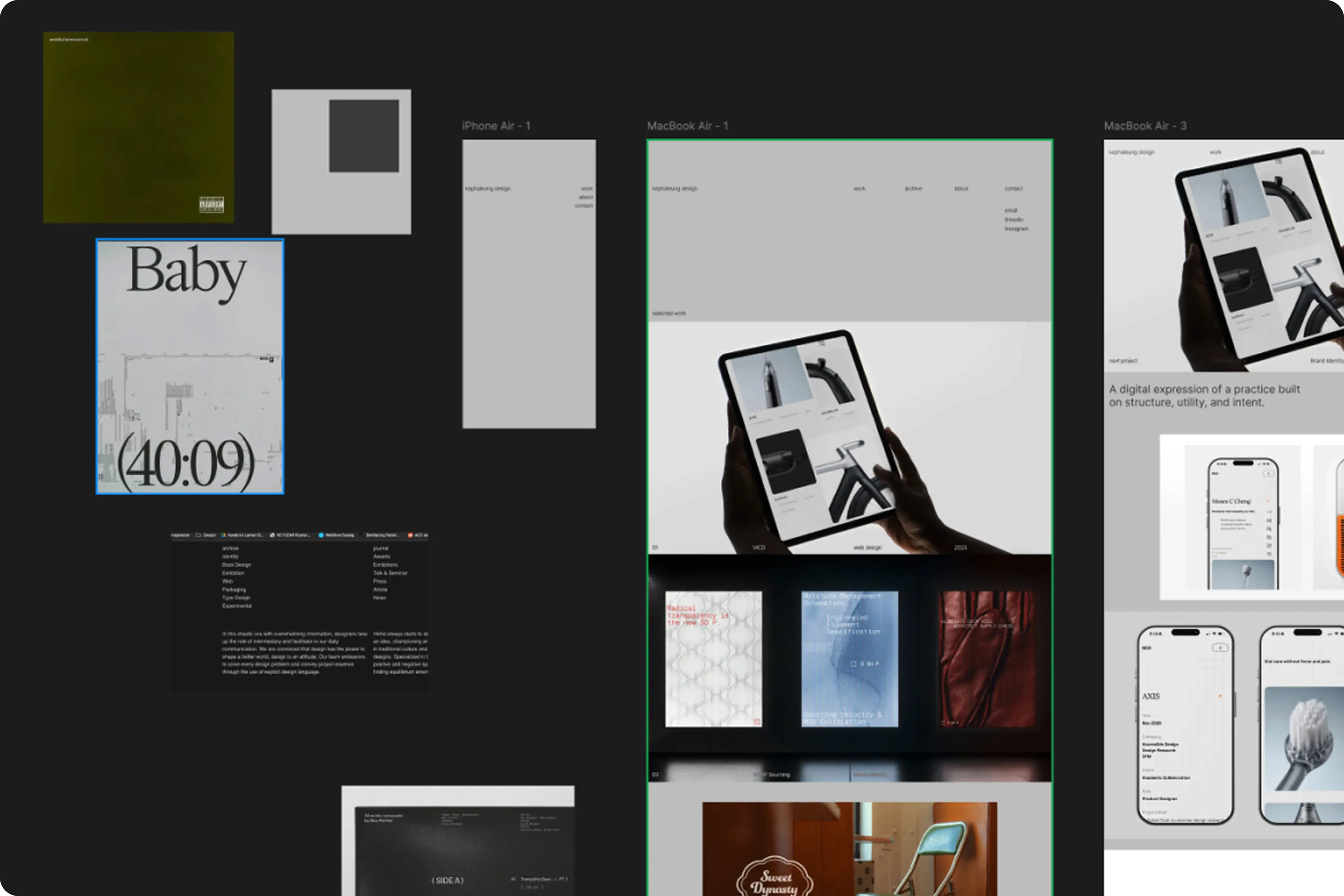
Kepha declared that his priority short-term goal is to build a new portfolio website that he would be proud of, “but it’s going to take months to get it done exactly right and perfect”.
Hold my three-quarter milk cap…
I told him we might not achieve this perfect website but what we’re going to do is – make a start. It might be daunting, it might not be 100% right but the important thing is to begin.
Sure, every designer has a sense of pride (and insecurity) in creating from scratch, spotting and crafting every little detail.
But – it’s much better to have something than nothing.
Sip.
Kepha put together an inspiration board of websites, found a Framer template he liked and began building from there. It’s always pleasantly surprising how much your ideas can take shape in a short time when you find the right cornerstones.
This isn’t about applying minimal effort, expecting 80% of the result. It’s about focusing the right effort into the right tasks.
Relationship trumps design
Kepha asked me what the most important skills are to have in the design industry. As vital as they are, my answer was not the latest technical skills. Not even your portfolio.
At number one is relationships skills. With your colleagues, clients, bosses, local barrister (very important!).
Recalling my old naive ‘know it all’ young self, I’ve always been a bit competitive, righteous and a tad arrogant. At the end of the day, no matter how good you are, no one wants to work with closed minded people.
I had assumed talent and great design trumps everything, but as I grew into a senior and now a director role, I realised relationships make all the difference. Prioritise people – your team and client – over being right. Be open to being proven wrong. Or not yet as ‘right’ as it could be.
Agencies, big and small, can always upskill people. But open, curious, collaborative and contributing people who bring empathy and energy? They’re hard to find. And keep.
Mistakes are the best teachers
You want to always put your best foot forward in every situation and never misstep, especially in a world of AI and rapidly evolving technology where even spelling mistakes don’t happen. Happily, however, we’re all humann. Better to err on the side of creative.
It’s important not to lose touch with yourself, your intuition and expression skills along the way.
Making mistakes is part of discovering and improving who you are, both as a unique individual and as a designer. We need to stick our neck out. Pick our moments, maybe, but resist shying away into our shell.
Don’t be afraid to show your work, share your thoughts and design out loud like nobody’s watching. Don’t worry if your idea isn’t good enough. Put it to the test. Make mistakes. Take feedback. And make it better.
Don’t hide in perfectionism. That’s the real mistake. You’re not perfect. No one is. Isn’t that great?
Be it Kepha or myself, we‘re all meant to be learning every day.
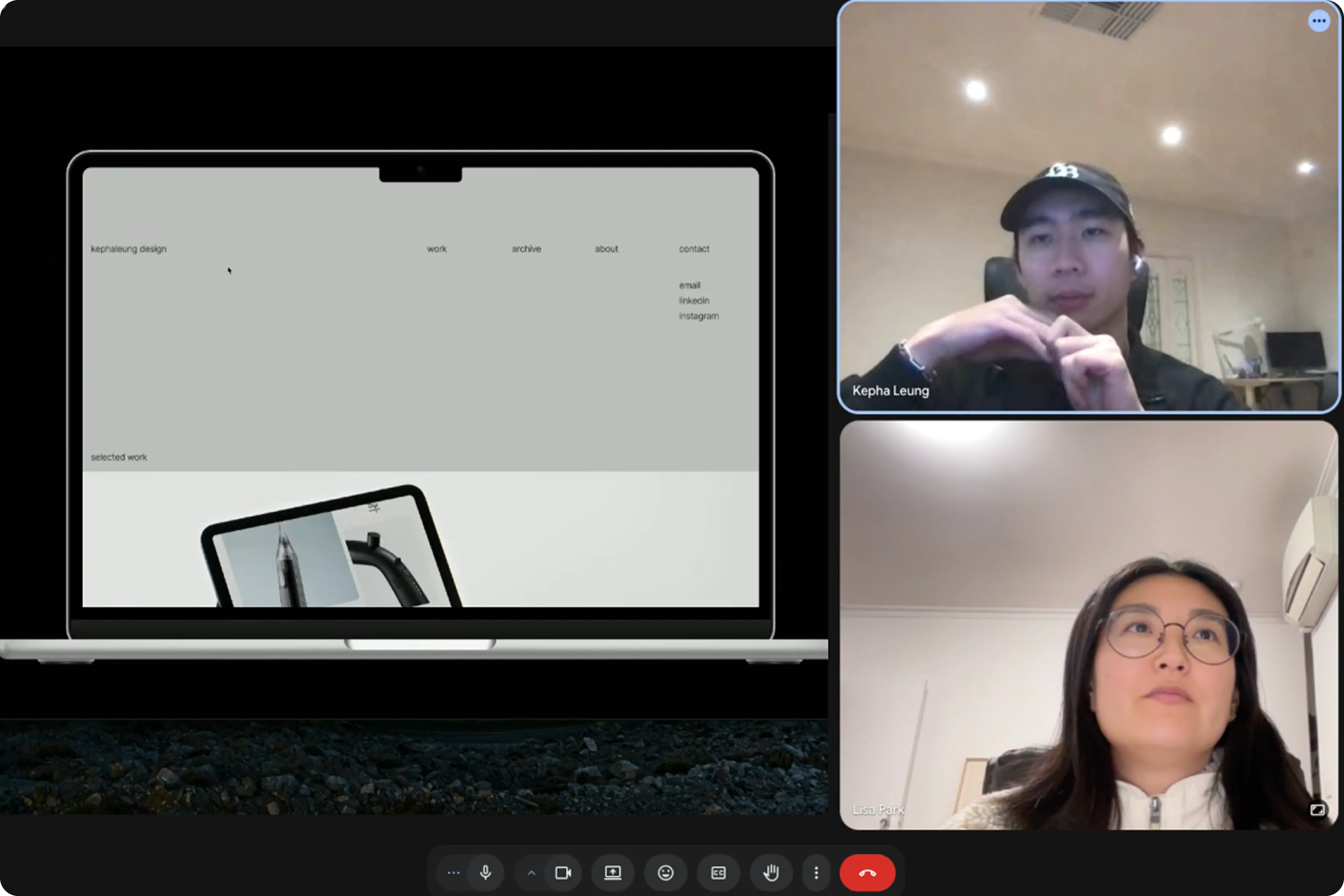
A big thank you to Kepha for being my mentee, for having me as his mentor, and to AGDA for creating this mentorship program. It’s been a fantastic voyage, with learning curves on all sides. I’m delighted I got on board.