When I started my career, the practice of UX design looked and felt different. Research happened in shared rooms. When we ran usability sessions, we sat next to someone as they moved through a prototype. We noticed the small things that never make it into notes. A pause before a click. A raised eyebrow. The moment someone leans back because something is not working for them. You learnt as much from the person as from the task in front of them.
Workshops were the same. They were physical, interactive and human. We filled tables with thick markers and stacks of sticky notes. Then, after we went searching…no hunting for wall space, to start making sense of it all. Synthesis meant standing with your team, moving notes around with our HANDS, and debating patterns as we found them. You learnt through osmosis as much as through process by just simply standing beside them.
It was slow in places, messy at times and full of the kind of back-and-forth you only get when people care. But it was shared. And because it was shared, that sense of community formed without us even trying.
Then the rhythm shifted.
Physical workshops became digital boards. In-person testing became remote calls. The walls we once relied on now live inside screens. And now, with AI stepping into more parts of our workflow, even complex steps like synthesis can happen alone.
The tools created efficiency, but they also reshaped our habits. They made it possible to move through projects with fewer conversations and fewer moments of collective learning. Without meaning to, we designed community out of the everyday practice of design.
Community brings back what our tools can’t
We have gained efficiency, yes, but we have also created a more isolated version of a practice built on people. And even in this more digital, individual world, there is still something that gives us hope…the simple act of showing up together to share an idea, share a problem or, at the very least, share a pizza.
Design events, meetups, jams, workshops or whatever you want to call them bring back the parts of the practice that tools can’t replicate. The human side, the shared curiosity, the quick back-and-forths. The feeling of being in a room with people who understand what you do 8 hours (hopefully) a day.
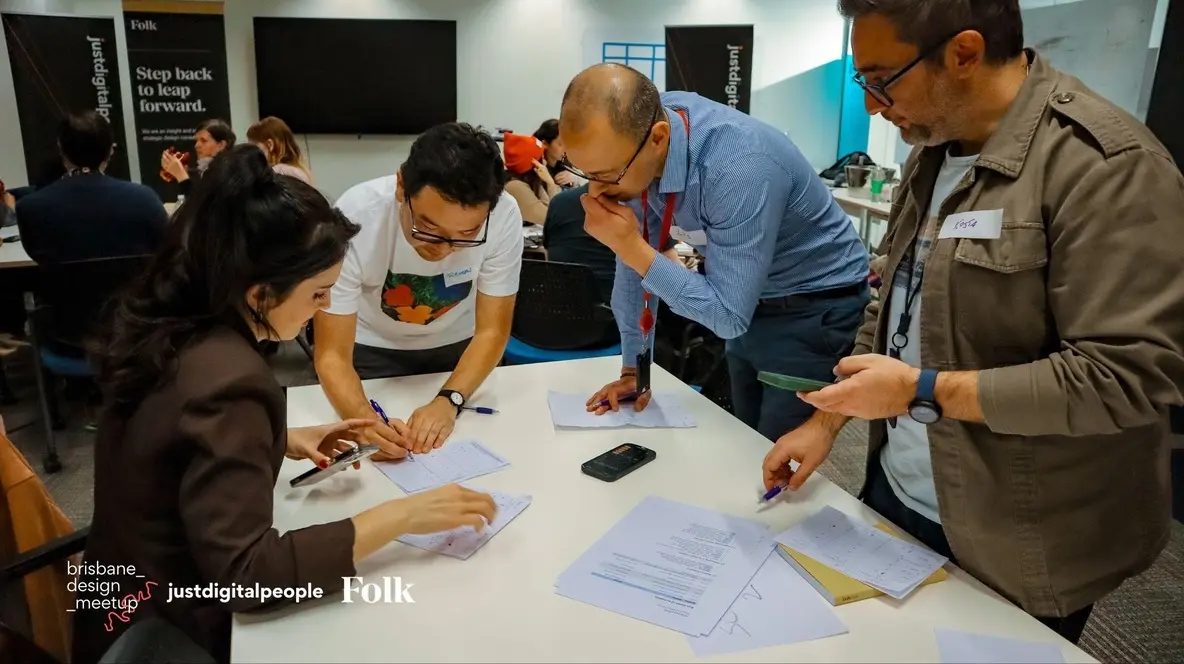
When you step into a room full of designers, researchers and makers, something shifts. You hear how someone approached a problem you hit last week. You learn from the story behind their decision-making, not just the polished outcome. You see the confidence in someone early in their career as they ask a question that reframes the whole conversation. You hear a seasoned designer admit what didn’t work, and you watch a uni student offer an insight that surprises everyone.
This is learning in public. It is vulnerable. It is generous. And it strengthens the capability of our industry as a whole, not just the individuals in the room.
This is why design communities are more essential than ever. They bring back the soul of design. They reconnect us with the part of the practice that has always mattered most…HUMANS!

Rebuilding community on purpose, not by accident
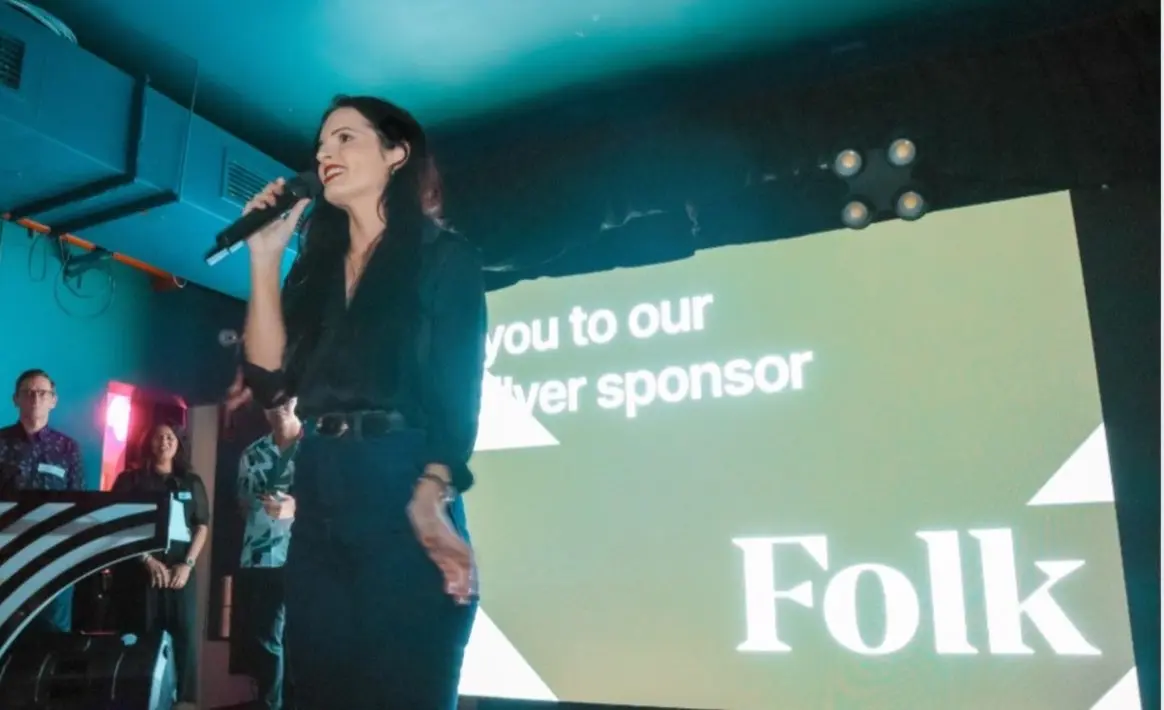
I’ll use my humble hometown Brisbane as the example, because what’s happening here right now is worth noticing. Our design community is being put back together with intention. People are choosing to show up, even after a long day full of tickets and emails. Organisers are creating welcoming spaces for honest conversation, often in their own time. And sponsors, Folk included, help make it all possible, whether that’s keeping the doors open or making sure the pizza actually arrives on time.
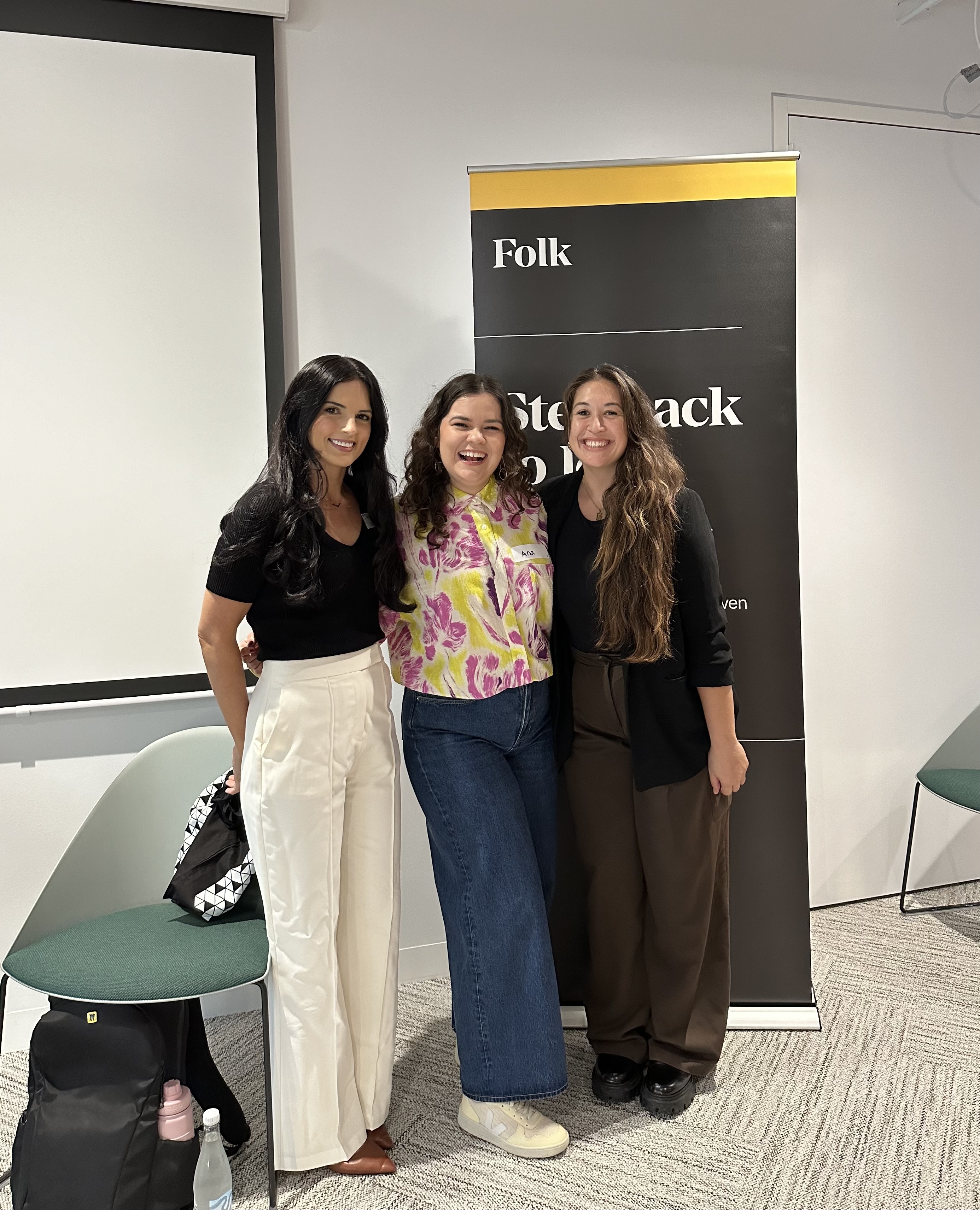
These gatherings feel less like another calendar invite and more like a collective effort to strengthen the way we all do our work.
If you’ve ever thought about starting something, a workshop, a talk, a round table or even just showing up for the first time, now is a good moment. You don’t need a big vision, you just need curiosity and a willingness to share and bring people together. Communities start small and they grow when others see their value. And they become meaningful when we treat each connection as part of our practice, not an added extra.
And truly, I encourage anyone to just show up. That’s the first step, and often the one that matters most.
For me, the return of these events has brought me back to why I got into design in the first place. It takes me right back to those early moments of standing in front of a colourful wall full of ideas and talking things through with people around me. Becuase at the end of the day the tools will keep changing, the processes will keep evolving and there will always be a new problem to solve. But the thing that helps us make sense of that complexity and the thing that keeps the work moving, is the people beside it.
Community is the constant in a practice that never stops shifting, and it only works when we choose to show up and be part of it.